
Access to Nature Not every building can be situated in a forest, but every user deserves to enjoy the benefits exposure to nature can bring. Whether by skylight or sightline or greening of an interior, we’re determined to fulfill that promise. There’s always a way.
Positive Social Relationships
Access to Knowledge
Equity + Inclusion
How do we promote easy access to the natural environment, even in urban areas?
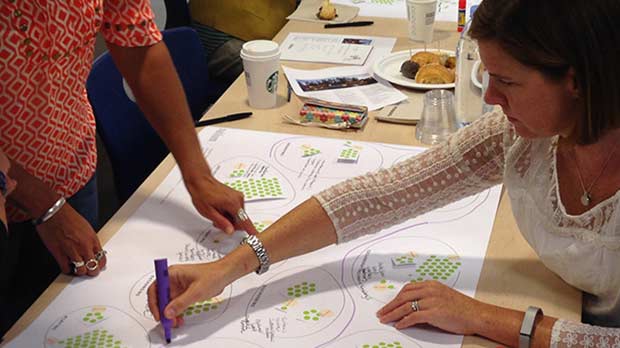
How do we promote community in our projects and our process?

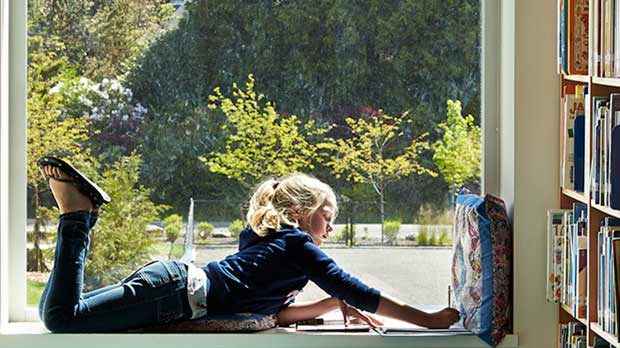
How do we promote the process of learning?
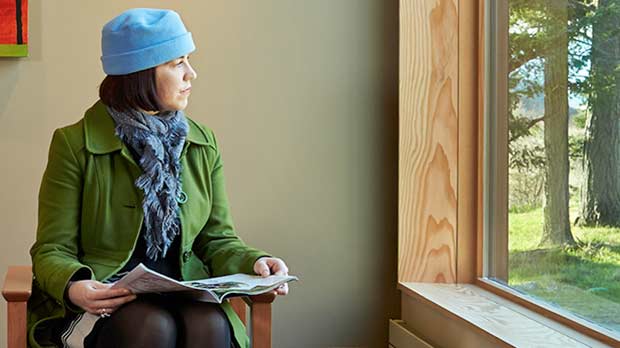
How do we empower all people, being fair and impartial, to pursue a happy and healthy life?
Health + Wellness
How do we promote good physical and mental conditions through our design?
A thoughtful inquiry process gives us cues about the psychological landscape, habits of mind, movement patterns, and social dynamics at play. Out of that puzzle, a cohesive vision unfolds.
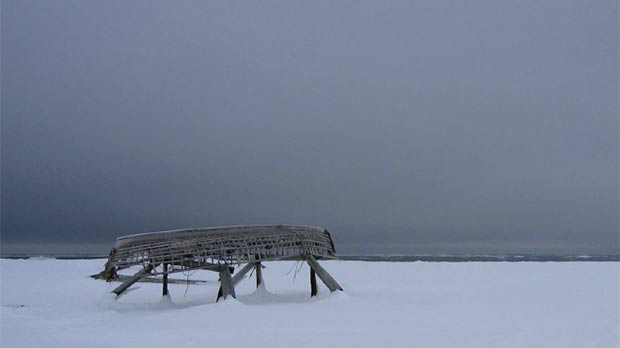
Beauty + Culture
How do we aesthetically match, serve, and benefit a unique culture?
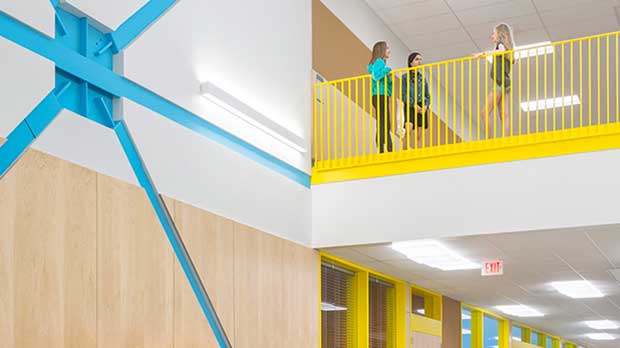
Safety
How do we create protection, perceived security, or resiliency in our designs?
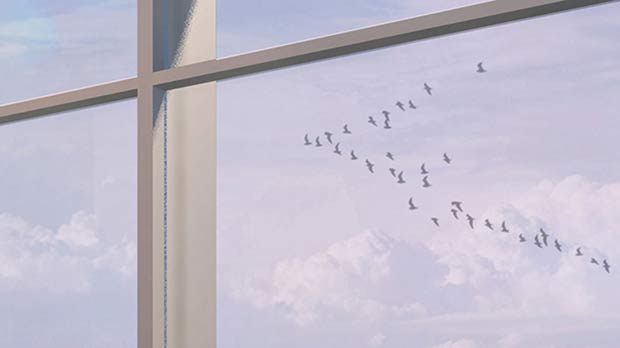
Sustainable Ecologies
How do we impact the network and ecosystem that we live and work in?
Shelter + Hygiene
How do we provide access to healthy housing for all?
Meeting basic human needs for a safe place to live and the ability live with dignity motivates our team in a visceral way. Through community partnerships, our work can be replicated, as a model, and serve more communities in need.